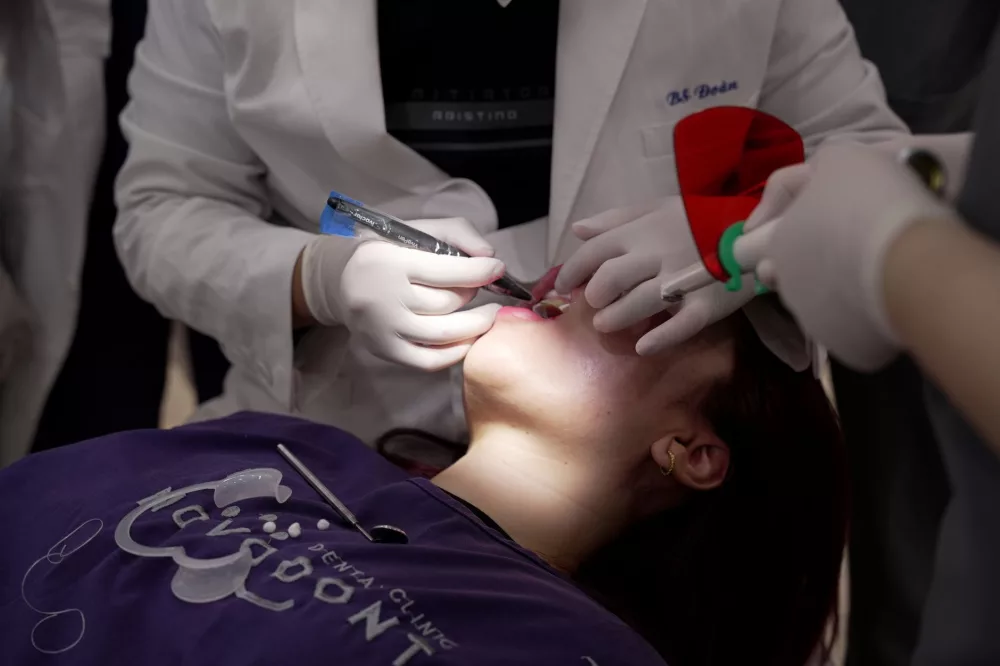
A New Perspective on Accessible Dental Care
When we talk about dental care in America, it's impossible to overlook the evolving landscape of how people access crucial oral health services. I've spent considerable time observing various models, and what I consistently see is a growing need for practices that can blend professional, high-quality treatment with genuine accessibility. This isn't always an easy balance to strike, but some organizations, like Jefferson Dental, have certainly made significant strides in this direction. For anyone looking at the broader picture of public health, understanding entities like Jefferson Dental isn't just about examining a business; it's about seeing how a large-scale provider attempts to meet a fundamental community need.
My initial perception of large dental groups often carried a hint of skepticism – would they prioritize volume over personalized patient relationships? However, my observations of Jefferson Dental have allowed me to form a more nuanced view. They've grown into a substantial network, particularly across Texas and beyond, and that kind of expansion doesn't happen without addressing some core patient requirements. It's an interesting case study, I think, in how a dental organization scales while trying to maintain its foundational promise of care.
The Genesis and Growth of a Dental Network
Jefferson Dental's story isn't one of overnight success. It's a narrative that, in my opinion, speaks to a consistent effort to expand reach and refine operations. What began as a single clinic has blossomed into a multi-location enterprise. This kind of growth usually implies a deep understanding of market gaps and an ability to deliver on patient expectations. I'd argue that their strategic placement of clinics in areas that might otherwise be underserved is a key factor in their enduring presence. They aren't just opening doors; they're attempting to fill voids.
Think about it: accessing a dentist can be a real hurdle for many. Concerns about cost, location, and the availability of appointments are common. Jefferson Dental seems to have built its model, at least in part, around mitigating these very obstacles. They aim for convenient locations and offer various financing options, something I see as absolutely crucial in today's healthcare environment. It's a practical approach that acknowledges the economic realities many families face.
"Oral health is inextricably linked to overall health. Any organization that actively works to remove barriers to dental care is, by extension, contributing positively to public well-being." This sentiment, often echoed by health professionals, seems to be a guiding principle for Jefferson Dental's expansion.
Comprehensive Care Under One Roof (or Many)
One of the aspects I find most compelling about large dental groups is their capacity to offer a broad spectrum of services. When you walk into a Jefferson Dental clinic, you're usually not just getting a cleaning. They're equipped, from what I've gathered, to handle quite a bit, making it easier for patients to manage their dental needs without being shuffled between multiple specialists or clinics. This consolidation of services is, for many, a considerable convenience.
What kind of services am I referring to? Well, it's pretty extensive. From routine check-ups and preventative care like cleanings and fluoride treatments to more involved procedures, they've got a lot covered. Here's a brief look at some common offerings:
- General Dentistry: This covers the basics, from regular exams to fillings and extractions. It's the bread and butter of any dental practice, and they appear to emphasize continuity in these foundational services.
- Orthodontics: Many locations offer braces and other alignment solutions, which is a huge plus for families who might otherwise have to seek out a separate orthodontic specialist. It streamlines the process considerably.
- Cosmetic Procedures: Things like teeth whitening and veneers are often available for those looking to enhance their smile.
- Specialized Treatments: Root canals, crowns, and even some oral surgery procedures are frequently within their scope, reducing the need for external referrals.
The benefit of this integrated approach, as I perceive it, is clear: patients can establish a long-term relationship with a single dental provider, simplifying their oral health journey. You can start with a routine check-up and, if issues arise, often address them within the same network, which builds a level of trust and familiarity that's truly valuable.
Technology and the Patient Experience
In modern dentistry, technology plays an increasingly significant role. It's not just about drills and X-rays anymore. I've noted that successful large-scale practices like Jefferson Dental tend to invest in contemporary equipment and techniques. This could include digital X-rays, which reduce radiation exposure, or advanced diagnostic tools that allow for earlier detection of problems. Investing in these areas isn't just about efficiency; it often translates to a more comfortable and effective experience for the patient.
Beyond the instruments, the patient experience is also shaped by administrative efficiency. Online scheduling, clear communication regarding treatment plans and costs, and a friendly front-desk staff are all elements that contribute to how a patient perceives their care. From what I've gathered, Jefferson Dental places an emphasis on streamlining these aspects, aiming to make dental visits as stress-free as possible. It's the kind of thing that makes a big difference when you're trying to fit a dental appointment into an already busy schedule.
- Digital Records: Modern clinics often use electronic health records, which can make transferring information between different specialists or even different locations within the same network much smoother.
- Advanced Imaging: Technologies like 3D imaging can help dentists diagnose issues more accurately and plan treatments with greater precision.
- Patient Education: Many practices are leveraging digital tools to help patients better understand their oral health conditions and proposed treatments.
These technological integrations aren't just flashy additions; they're tools that, when used effectively, can elevate the standard of care. I find it encouraging when organizations commit to these kinds of advancements, demonstrating a forward-thinking approach to patient well-being.
Community Engagement and Future Directions
Any large healthcare provider has a responsibility, in my view, to engage with the communities it serves beyond just providing clinical care. While I haven't tracked every single initiative, I understand that Jefferson Dental has participated in various community outreach programs, offering dental education and sometimes even free screenings. These efforts are crucial because they extend the reach of oral health awareness beyond the clinic walls, helping to educate the public on preventative measures.
Looking ahead, the dental industry, much like all of healthcare, is constantly evolving. There are always new challenges—from staffing shortages to adapting to new public health guidelines. For an organization like Jefferson Dental, maintaining its commitment to accessible, quality care while navigating these complexities will be an ongoing endeavor. What I see, though, is a model that is inherently designed to adapt and expand. Their experience in scaling operations and serving diverse populations gives them a strong foundation to continue addressing the ever-present need for reliable dental services.
Ultimately, my assessment is that Jefferson Dental plays a significant role in the oral health ecosystem, particularly in the regions where it operates. It's not just about filling cavities; it's about providing a consistent, accessible point of care for countless individuals and families. The sheer volume of patients they serve tells a story of demand met, and in the critical field of oral health, that's a narrative worth acknowledging.